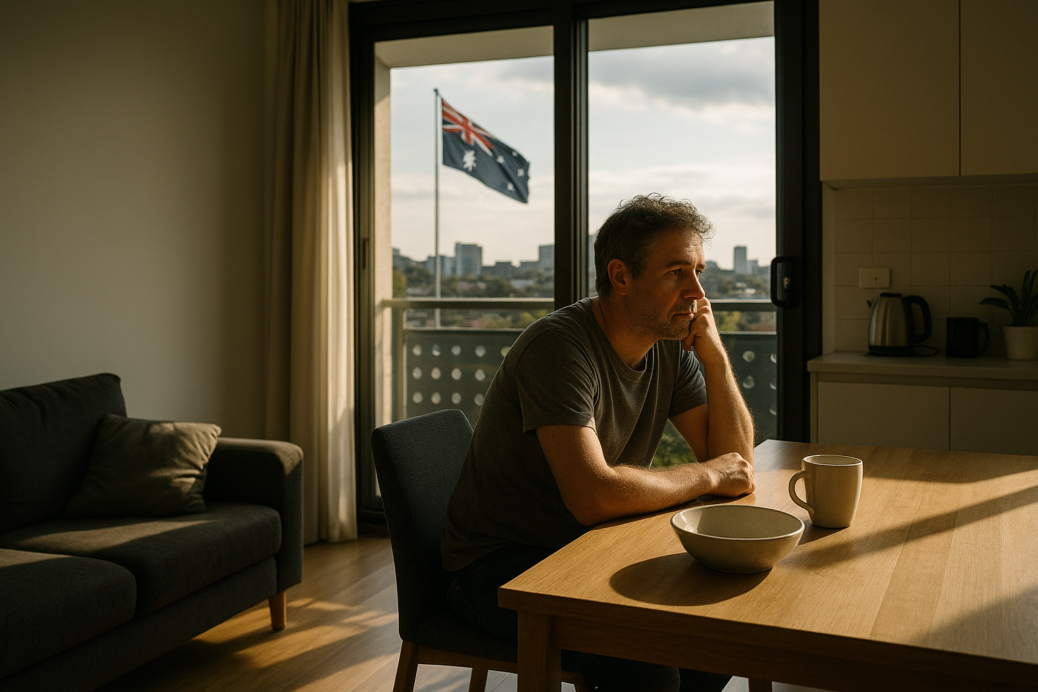
Why Are Younger Generations Delaying Homeownership? A Deep Dive into the Shifting Mindsets and Realities
9 min read

Key takeaways
In recent years, younger generations have delayed or forgone the purchase of their first home, because of affordability issues and changing values.
Young Australians are finding it harder than ever to get a foothold in the property market, with the median house price now being 7 or 8 times the average income. Many are staying in education longer, which delays their entry into the workforce.
Younger Australians are prioritising experiences, flexibility, and personal fulfilment over the traditional milestones of marriage, children, and homeownership. They are choosing to rent rather than buy so they can move freely for career opportunities.
The urban lifestyle is more appealing to younger Australians, who value the vibrancy, convenience, and social life that cities offer. Renting provides a way for young people to live in the heart of the action without the long-term financial commitment of a mortgage.
The demand for rental properties is growing, especially in urban areas, and new housing models like build-to-rent and co-living spaces are catering to the needs of young professionals who value flexibility, community, and convenience.
Younger Australians are delaying homeownership due to financial barriers, lifestyle choices, and cultural shifts. They will need to find creative solutions to navigate the challenges of today’s housing market.
In Australia, homeownership has long been a marker of success—a milestone that signified stability, adulthood, and financial security.
But in recent years, we’ve seen younger generations delaying the purchase of their first home, and in some cases, forgoing it altogether.
While it’s tempting to point the finger at affordability issues alone, there’s a deeper story that involves changing values, lifestyle choices, and the evolving nature of work and family.
For weekly insights and strategic advice, subscribe to the Demographics Decoded podcast, where we will continue to explore these trends and their implications in greater detail.
Subscribe now on your favourite Podcast player:
Financial barriers: a new reality for young Australians
There’s no doubt that buying a home has become significantly harder over the past few decades.
According to the Australian Bureau of Statistics, homeownership among people in their early 30s has dropped from around 60% in the 1980s to just over 40% today.
The numbers paint a clear picture: it’s tougher than ever for young Australians to get a foothold in the property market.
In the early 1980s, the median house price was about 2.6 times the median household income.
Fast forward to today, and that ratio has ballooned to 7 or 8 times the average income.
When you consider that wages have not kept pace with rising house prices, it’s easy to see why younger Australians are feeling shut out of the property market.
But the issue isn’t just about the cost of housing.
Today’s younger generations are staying in education longer, often pursuing university degrees and postgraduate qualifications, which delays their entry into the workforce.
The more years spent studying, the fewer years spent earning, saving, and investing.
Many aren’t entering full-time employment until their mid-20s, and by the time they’ve accumulated enough savings, they find themselves priced out of the areas they want to live in.
A shift in priorities: flexibility over homeownership
While financial hurdles are a significant part of the picture, they’re not the whole story.
There’s been a seismic shift in how younger generations view their lives and what they want out of them.
Unlike their parents and grandparents, today’s younger Australians are prioritising experiences, flexibility, and personal fulfilment over the traditional milestones of marriage, children, and homeownership.
One of the major reasons for this shift is the desire for geographic mobility.
With the job market being more fluid and globalised than ever, many young professionals are choosing to rent rather than buy so they can move freely for career opportunities.
Gone are the days when people worked at the same company for 40 years and settled into a home early in their careers.
Today, it’s common for people to change jobs, industries, or even countries multiple times throughout their working lives.
For young Australians, owning a home can feel like an anchor that limits their ability to take on new challenges or relocate for better job prospects.
Renting allows them the freedom to chase career opportunities wherever they may arise, whether that’s in another state or even overseas.

Delayed family formation and the impact on housing choices
Traditionally, one of the biggest drivers of homeownership was starting a family.
But with family formation being pushed further into the 30s and even 40s, the urgency to settle down and buy a home has diminished.
In the past, it was common to start a family in your early 20s, but now, young Australians are choosing to delay having children as they focus on their careers, education, and personal growth.
This delay in family formation also delays the need for a stable, long-term home.
For many young Australians, the idea of buying a house doesn’t even enter the equation until they start thinking about children—and that’s happening much later in life than it did for previous generations.
Leading demographer Simon Kuestenmacher noted in a recent Demographics Decoded podcast, adolescence has essentially been extended.
While young people in their mid-30s may be financially independent and earning solid incomes, they often haven’t taken on the responsibilities that traditionally defined adulthood, like raising children or purchasing a home.
Without these major life changes pushing them towards homeownership, many are content to continue renting and enjoy the flexibility it provides.
Experiences over assets: a cultural shift
There’s a broader cultural shift happening as well.
Millennials and Gen Z are increasingly placing more value on experiences than material possessions.
This is a generation that’s grown up with the internet, global travel, and social media, all of which have shaped their worldview.
Instead of rushing to buy a home, younger Australians are investing in experiences—whether that’s travelling, dining out, or pursuing hobbies and passions.
This change in mindset has been criticised by some who label younger people as “snowflakes” or claim they lack financial discipline.
But this view oversimplifies the situation.
The truth is, that young Australians are navigating a very different economic landscape than their parents did.
The cost of living has skyrocketed, wages have stagnated, and the traditional pathway to homeownership is no longer as clear-cut as it once was.
For many, it feels more logical to enjoy the present rather than sacrifice years of lifestyle to save for a deposit on a home that may not even be attainable.
This focus on living in the moment is a defining characteristic of younger generations, and it’s fundamentally changing the housing market.

The urban lifestyle: why renting in the city is more appealing
Another factor contributing to the delay in homeownership is the appeal of urban living.
Younger Australians are increasingly drawn to the vibrancy, convenience, and social life that cities offer.
Areas like South Yarra, Windsor, and Chapel Street in Melbourne are prime examples.
These inner-city hubs are filled with cafes, bars, restaurants, and cultural venues that cater to a lifestyle that prioritises social interaction and convenience.
Owning a home in these desirable urban areas is often out of reach, but renting provides a way for young people to live in the heart of the action without the long-term financial commitment of a mortgage.
In the city, renters can enjoy the proximity to work, public transport, and a lively social scene, all of which are highly valued by younger Australians who are often still single or child-free.
Moreover, the growing trend of working from home has only increased the desire to live in cities where workspaces, co-working hubs, and social opportunities are abundant.
For many, the trade-off between owning a suburban home and renting an apartment in a lively urban area is a no-brainer.
Career mobility and higher expectations
Career mobility plays a huge role in the delay of homeownership.
Younger Australians today have more opportunities to move between jobs, industries, and even countries.
This career fluidity makes the idea of settling down in one place less appealing.
In fact, many young professionals see renting as a way to stay nimble and open to new opportunities.
But career flexibility comes at a cost.
By the time many young Australians are ready to buy a home in their mid-30s, their expectations have risen.
They’re no longer willing to settle for a modest starter home—they want a property that reflects the lifestyle they’ve grown accustomed to.
After years of renting in vibrant urban areas, the idea of buying a smaller, less central property feels like a step backward.
As Kuestenmacher points out, expectations are often shaped by comparisons with previous generations.
A 35-year-old today might look at their parents, who by the same age were already raising a family and had nearly paid off their mortgage.
This comparison creates a sense of disappointment or failure if they can’t achieve the same milestones.

The growing demand for rental properties and co-living spaces
With more young Australians choosing to rent for longer, there’s a growing demand for rental properties, especially in urban areas.
This shift has led to the rise of new housing models like build-to-rent and co-living spaces.
These developments are designed to cater to the needs of young professionals who value flexibility, community, and convenience.
Co-living spaces, in particular, are gaining popularity.
These are residential buildings that offer small private apartments combined with shared communal spaces, like kitchens, gyms, and lounges.
They are often marketed to young, single professionals who want to live in a community of like-minded people.
For property developers and investors, the appeal of co-living and build-to-rent is clear.
These models allow for high-density living in desirable urban areas, and they cater to a growing demographic of renters who are willing to pay a premium for convenience and community.
The long-term consequences of delaying homeownership
While renting may make sense for many young Australians in the short term, there are concerns about the long-term consequences of delaying homeownership.
One of the biggest risks is entering retirement without owning a home.
In Australia, the cost of renting can be a significant burden for retirees who are living on a fixed income.
Homeownership, by contrast, provides security and stability, with mortgage costs typically falling over time, eventually disappearing, while rents continue to rise.
The lack of homeownership among future retirees could lead to widespread poverty among older Australians.
Without the financial buffer that owning a home provides, many could find themselves struggling to cover housing costs in retirement.

Is Rent-Vesting the solution?
One potential strategy for younger Australians who want to remain flexible but still build wealth through property is rent-vesting.
This involves buying an investment property while continuing to rent where you live.
By rent-vesting, young Australians can gain exposure to the property market and potentially benefit from capital growth, all while maintaining the flexibility to move for work or lifestyle reasons.
This approach allows young people to enjoy the best of both worlds—urban living and property investment.
However, it requires careful financial planning, and it’s not a one-size-fits-all solution.
Final thoughts
The delay in homeownership among younger generations is a complex issue, driven by financial barriers, lifestyle choices, and cultural shifts.
While many young Australians are choosing to rent for longer, it’s important to think about the long-term implications, particularly when it comes to retirement security.
Whether through rent-vesting or other creative solutions, younger Australians will need to find ways to navigate the challenges of today’s housing market if they want to secure their financial future.
Homeownership may no longer be the immediate goal for many, but its importance as a long-term investment remains as relevant as ever.
Stay tuned for more episodes of Demographics Decoded, where Simon and I will continue to explore the trends shaping our future.
If you found this discussion helpful, don’t forget to subscribe to our podcast and share it with others who might benefit from it.
Subscribe now on your favourite Podcast player: