
Can weight gain affect male boob reduction results?
3 min readweight gain affect male boob reduction results
Many men choose male boob reduction to achieve a flatter, firmer, and more masculine chest contour. The procedure, also known as gynecomastia surgery, removes excess glandular tissue, fat, and sometimes loose skin from the chest area. While the results can be long-lasting and highly satisfying, patients often wonder whether future weight gain can affect their outcome. Understanding how body weight influences surgical results is essential for maintaining a sculpted appearance over time.
Male boob reduction targets two main components of enlarged male breasts: fatty tissue and glandular tissue. During the procedure, a surgeon may use liposuction to remove excess fat and excision techniques to remove firm glandular tissue. Once glandular tissue is surgically removed, it typically does not grow back. However, fat cells can expand if a person gains a significant amount of weight after surgery. This means that while the structural improvement achieved through male boob reduction is permanent, the chest can still appear fuller if body fat increases.
Weight gain after surgery does not automatically reverse the results, but it can compromise the aesthetic outcome. When you gain weight, your body stores excess calories in fat cells throughout various areas, including the chest. If a patient experiences moderate to significant weight gain, the remaining fat cells in the chest area may enlarge, causing the chest to look less defined. In some cases, this can create the impression that gynecomastia has returned, even though the glandular tissue has been permanently removed.
Another factor to consider is hormonal balance. Substantial weight gain can sometimes affect hormone levels, particularly the balance between testosterone and estrogen. Increased body fat can contribute to higher estrogen levels, which may influence the chest area. Although true regrowth of glandular tissue after male boob reduction is rare, hormonal changes combined with fat accumulation can alter the overall chest contour and diminish the crisp results initially achieved.
Skin elasticity also plays a role in how weight gain affects surgical results. If a patient gains and then loses a large amount of weight, the skin may not fully retract to its tightened post-surgical position. This can lead to mild sagging or a less firm appearance. Maintaining a stable weight helps preserve the smooth, contoured look created during male boob reduction and prevents unnecessary strain on the skin.
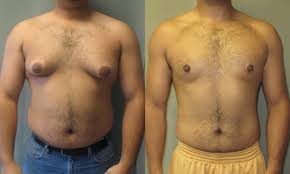
Can weight gain affect male boob reduction results?
It is important to note that small weight fluctuations are normal and unlikely to dramatically impact results. Most surgeons recommend reaching and maintaining a healthy, stable weight before undergoing male boob reduction. Patients who are close to their ideal weight at the time of surgery typically enjoy more predictable and longer-lasting outcomes. Adopting healthy lifestyle habits such as regular exercise, strength training, and balanced nutrition can significantly help maintain chest definition.
Exercise, especially resistance training that targets the chest muscles, can enhance the results of male boob reduction. Building pectoral muscle mass adds natural contour and firmness to the chest area. However, exercise alone cannot remove glandular tissue, which is why surgery is often necessary in the first place. After surgery, combining muscle development with weight management provides the best long-term aesthetic benefits.
For patients concerned about potential weight gain, open communication with a qualified surgeon is key. A surgeon can provide guidance on ideal body weight, lifestyle adjustments, and realistic expectations. In rare cases where significant weight gain leads to noticeable chest fullness, revision procedures may be considered, but these are generally avoidable with proper weight control.
Ultimately, male boob reduction offers permanent removal of unwanted glandular tissue and can dramatically improve self-confidence. However, maintaining those results requires a commitment to a stable, healthy lifestyle. While occasional weight fluctuations are not usually a problem, substantial or sustained weight gain can affect chest contour by enlarging remaining fat cells and potentially altering hormone levels. By prioritizing consistent exercise, balanced nutrition, and weight stability, patients can protect their investment and enjoy long-lasting, satisfying results from their procedure.