
What Temperature is Ideal For a Cold Tub Session?
3 min readTemperature For a Cold Tub Session
A cold plunge or bath can help speed up muscle recovery, reduce inflammation, and promote mental clarity. It’s no wonder athletes, trainers, and health-conscious people from all walks of life are adding this effective yet simple cryotherapy technique to their workout routines. It is also a popular therapy offered at some specialty recovery and physical therapy studios and can be performed in the comfort of one’s home. Despite its popularity, many individuals are unsure of exactly what temperature is ideal for a Cold Tub session. This temperature needs to be cold enough to provide therapeutic benefits, but still comfortable and safe to enter.
A good starting point is to aim for temperatures of 50-59 degrees Fahrenheit. This is the recommended range by most experts, and it’s usually safe for anyone to soak in without feeling too much discomfort or suffering from the initial shock of cold water immersion. For beginners, this may be a challenge at first, but with practice, they can gradually decrease the water temperature and increase their soak time over the course of a week or two.
When a person is immersed in icy water, it causes their blood vessels to expand (known as vasodilation). This allows oxygen-rich blood to be pumped back into the muscle tissues and decreases inflammation. The blood vessels in your brain and heart also expand when you plunge into cold water, which is why it can be so shocking at first. Once your body gets used to the sensation, it can become quite invigorating.
What Temperature is Ideal For a Cold Tub Session?
During a plunge, it’s important to breathe deeply and stay relaxed. Breathing techniques like 4-7-8 breathing (inhale through the nose for 4 seconds, hold for 7 seconds, exhale through the mouth for 8 seconds) and box breathing can help you relax and control your response to cold exposure. It’s also a good idea to have a friend present in case you start to shiver uncontrollably or feel too overwhelmed. Afterward, you should take some time to re-warm up slowly and efficiently. This helps prevent a shock to the system, and it’s best done by drying off completely or doing some light exercises.
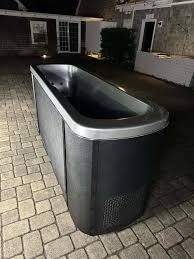
For those interested in a cold immersion tub for home use, there are several quality options on the market. The best cold tubs are made of sturdy, insulated materials and feature a precise water temperature control to keep the water within the optimal range. Some tubs even come equipped with a chiller to rapidly cool the water. It’s also a good idea for individuals to invest in a thermometer so they can monitor the water temperature during each dip. With a high-quality tub and a thermometer, anyone can build their tolerance to colder waters and enjoy the full benefits of cold immersion therapy.
One of the primary reasons athletes use cold tubs is to reduce muscle soreness following intense exercise. After physical activity, muscles can become inflamed, and microtears can occur in muscle fibers. Cold water immersion can reduce this inflammation by constricting blood vessels, preventing excessive swelling, and numbing pain receptors. As the body warms up after leaving the cold tub, increased circulation helps repair and rejuvenate muscle tissue, speeding up recovery.