
What is the role of coverlays in flex PCB fabrication?
3 min readWhat is the Role of Coverlays in Flex PCB Fabrication?
Flex PCB fabrication involves the creation of flexible printed circuit boards that are crucial for various applications, including wearables, medical devices, automotive electronics, and consumer gadgets. One of the most important components in this fabrication process is the coverlay. Coverlays are protective layers applied to the surface of flexible printed circuit boards (PCBs) to provide insulation, protection, and durability. These layers play a vital role in ensuring that flex PCBs maintain their functionality and performance even in challenging environments.
Understanding Coverlays in Flex PCB Fabrication
A coverlay is a thin, flexible film that is laminated over the circuit traces of a flex PCB. It serves as a protective shield, preventing mechanical damage, moisture, and contamination from affecting the underlying circuitry. The coverlay is typically made from materials such as polyimide, which offers excellent heat resistance and electrical insulation properties. This material ensures that the flex PCB can withstand harsh conditions, making it ideal for applications that require flexibility, durability, and resistance to environmental stressors.
Protection Against Environmental Factors
One of the primary roles of a coverlay in flex pcb fabrication is to protect the delicate copper traces and other components from external environmental factors. Flex PCBs are often exposed to heat, moisture, chemicals, and physical wear. Without a protective coverlay, the integrity of the circuits could be compromised, leading to short circuits, signal degradation, or even complete failure of the PCB. The coverlay acts as a barrier that safeguards the board against these potential risks, ensuring the longevity and reliability of the flex PCB.
Electrical Insulation and Signal Integrity
Apart from physical protection, the coverlay in flex PCB fabrication also plays an essential role in providing electrical insulation. Flex PCBs are designed to handle complex electrical signals, and maintaining the integrity of these signals is crucial for the device’s performance. The coverlay helps in isolating the conductive traces, preventing accidental shorts or leakage currents. It also ensures that the signals remain clear and undisturbed by external interference, contributing to the overall performance and reliability of the final product.
Flexibility and Durability
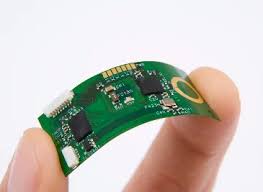
The flexibility of a flex PCB fabrication is one of its key advantages, allowing it to be bent, twisted, and folded without damaging the circuitry. However, the material used for the coverlay must also maintain flexibility to match the flexibility of the PCB itself. Polyimide is a popular material used for coverlays because it combines high flexibility with excellent thermal stability and chemical resistance. This ensures that the flex PCB retains its performance, even in applications where the board is subject to continuous bending or flexing.
Types of Coverlays
There are different types of coverlays used in flex PCB fabrication, each designed for specific requirements. These include single-layer coverlays, which cover the top or bottom side of the PCB, and double-layer coverlays, which protect both sides of the PCB. Additionally, windowed coverlays are often used to expose specific areas of the PCB where components need to be soldered, while the rest of the PCB remains protected.
Conclusion
In conclusion, coverlays play a crucial role in flex PCB fabrication by providing protection, electrical insulation, and maintaining signal integrity. Their flexibility and durability ensure that flex PCBs can withstand harsh environments and continue to function effectively in a wide range of applications. Whether for consumer electronics, automotive systems, or medical devices, the quality of the coverlay can significantly impact the performance and longevity of the flexible printed circuit board.
