
What is PCB fabrication assembly?
3 min readPCB fabrication assembly
PCB fabrication assembly is a critical process in the production of electronic devices, serving as the foundation for most modern electrical systems. A printed circuit board (PCB) is a physical base that connects different electronic components, enabling them to work together efficiently. The term “PCB fabrication assembly” refers to the combined process of designing, fabricating, and assembling the physical board that holds the various components of an electronic circuit.
The process begins with PCB fabrication, which involves designing the layout of the board. During the design phase, the board’s dimensions, the placement of components, and the routes for electrical signals are all carefully planned. This is done using specialized software to create a blueprint, or schematic, of the PCB. The schematic is then transformed into a physical design by fabricating the board. The fabrication process typically includes multiple steps, such as drilling holes for the components, etching copper traces to create electrical connections, and applying layers of protective materials. The completed board is then tested to ensure it meets the required specifications and can function properly.
Once the PCB is fabricated, the next step is PCB assembly. This phase involves attaching electronic components, such as resistors, capacitors, microchips, and connectors, to the board. The components are typically mounted using one of two methods: surface-mount technology (SMT) or through-hole technology (THT). In SMT, components are placed directly onto the surface of the board, while in THT, components are inserted into holes in the PCB and soldered in place. The components are usually attached with the help of automated machinery, which ensures precise placement and alignment. After the components are placed, they are soldered using a reflow oven or wave soldering technique.
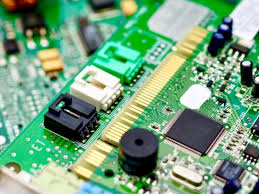
What is PCB fabrication assembly?
One of the key aspects of pcb fabrication assembly is quality control. During both the fabrication and assembly phases, strict quality checks are conducted to ensure the PCB meets the necessary performance standards. This includes visual inspections, electrical testing, and sometimes functional testing to simulate real-world conditions. These quality control measures help to identify any defects early in the process, which can prevent costly mistakes in the final product.
Another critical factor in PCB fabrication assembly is the choice of materials. The materials used in the fabrication of the PCB play a significant role in determining the performance and durability of the board. Commonly used materials include FR4, a fiberglass-based laminate, and various copper alloys for the conductive traces. The material must be chosen based on the specific requirements of the electronic device, including factors such as heat resistance, electrical conductivity, and mechanical strength.
The PCB fabrication assembly process is essential for producing high-quality, reliable electronic devices. Whether it’s a simple consumer gadget or a complex medical instrument, the reliability of the PCB ensures that the device will function properly and safely. As technology continues to advance, the complexity of PCB designs and assemblies also increases, requiring more sophisticated techniques and equipment. However, the fundamentals of PCB fabrication assembly remain consistent, ensuring that electronic devices remain functional and dependable.
In conclusion, PCB fabrication assembly is a multifaceted process that involves designing, fabricating, and assembling the essential components that form the backbone of most electronic devices. Through careful planning, high-quality materials, and rigorous testing, this process ensures that the final product meets the desired specifications and performs as expected.
