
What is PCB fabrication and assembly?
3 min readPCB fabrication and assembly
PCB fabrication and assembly are crucial processes in the manufacturing of electronic devices. A printed circuit board (PCB) is a fundamental component that provides mechanical support and electrical connections for electronic components. It is an essential part of almost all modern electronic devices, from smartphones to computers and even medical equipment. Understanding pcb fabrication and assembly is key to recognizing how electronic devices are made and how they function.
PCB fabrication refers to the process of creating the physical board, which includes multiple steps such as designing the board layout, printing the design onto a copper sheet, etching the design, and applying various coatings to protect the surface. The process begins with designing the PCB using specialized software that creates a schematic representation of the electrical connections. Once the design is complete, it is transferred onto a copper-clad laminate, which serves as the base for the PCB. The copper sheet is then subjected to an etching process, where unwanted copper is removed, leaving behind the electrical pathways or traces that form the connections between different components.
After the fabrication process, the next step is PCB assembly. PCB assembly involves mounting electronic components onto the fabricated PCB. These components can include resistors, capacitors, transistors, and microchips, which are placed on the board according to the design specifications. The assembly process can be done manually or through automated methods. For high-volume production, automated machines such as pick-and-place machines are used to place components precisely onto the board. Once the components are placed, the board undergoes soldering, which involves applying a molten solder material to the joints to establish electrical connections between the components and the PCB. This can be done using various techniques, such as wave soldering or reflow soldering, depending on the complexity of the board and the components.
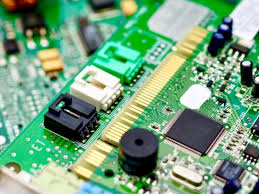
What is PCB fabrication and assembly?
The quality of both PCB fabrication and assembly is crucial for ensuring the functionality and reliability of the final product. Throughout the entire process, stringent quality control measures are implemented to detect any defects or faults that could affect the performance of the PCB. This includes visual inspections, automated optical inspection (AOI), and electrical testing. Once the PCB is fabricated and assembled, it is subjected to further testing to ensure that all components are functioning as intended. These tests may include functional testing, where the board is powered on, and in-circuit testing, which checks the integrity of the electrical connections.
In addition to the basic fabrication and assembly processes, there are also various advanced techniques used for specialized applications. For example, some PCBs may require multi-layer designs, where multiple layers of circuitry are stacked together to increase the density and functionality of the board. Others may require flex or rigid-flex PCBs, which can bend and flex, making them ideal for applications in wearable devices or medical implants. The materials used in PCB fabrication and assembly can also vary depending on the requirements of the product, with some applications requiring high-frequency materials or materials with specific thermal or electrical properties.
Overall, PCB fabrication and assembly are intricate processes that play a vital role in the development of electronic products. The precision and quality of these processes directly impact the performance, durability, and functionality of the electronic devices that rely on PCBs. As technology continues to evolve, advancements in PCB fabrication and assembly techniques are helping to meet the increasing demands for smaller, faster, and more efficient electronic devices.
