
How Often Should Working Line German Shepherds Be Mentally Stimulated?
3 min readWorking Line German Shepherds Be Mentally Stimulated
German Shepherds are highly intelligent dogs that thrive on mental stimulation, and neglecting their needs can result in behavioral issues like barking and destructive behavior. The key to preventing these problems is to integrate enrichment activities into daily routines, ensuring that German Shepherds have a well-rounded lifestyle that balances physical activity with mental challenges. This article will explore ways to keep working line German Shepherds mentally stimulated, including using interactive toys and games, obedience training sessions, scenting exercises, and outdoor excursions.
Because of their working dog heritage, working line German Shepherds link require more daily physical activity than show or pet lines. They excel in homes that can provide them with an outlet for their high energy levels through activities such as agility training, long hikes, and participating in dog sports. They also need regular opportunities to engage with their owners through structured playtime and obedience training sessions.
This type of interaction is vital for keeping a working line German Shepherd happy, because it allows them to exercise their intelligence and gives them a sense of purpose. Without these activities, these dogs can become bored, which can lead to destructive behaviors like chewing or digging.
Working line German Shepherds are bred to perform tasks such as police work, search-and-rescue, and disability assistance. As a result, they have a higher energy level and more pronounced guarding instincts than their show or pet line counterparts. Their heightened energy level also translates into a higher need for exercise, as they require consistent and constant training to prevent boredom and related behavioral issues.
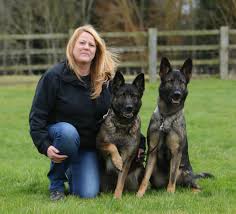
How Often Should Working Line German Shepherds Be Mentally Stimulated?
Fortunately, working line German Shepherds are easier to train than other breeds. As a result, they can be great companions for first-time dog owners and families with children akc.org. However, their protective nature and strong drive can be a challenge for those who are not experienced in handling large breeds.
In addition to providing them with physical activity, it is important for working line German Shepherds to receive regular veterinary care and participate in daily activities that stimulate their senses. For example, a crate-trained German Shepherd can be a useful tool for home protection and can serve as an effective deterrent against aggressive behavior.
Showline German Shepherds ckc.ca are more suitable for home-bound lifestyles because they have lower exercise requirements and a more refined appearance. They do not have the pronounced angulation of the hindquarters that contributes to the distinctive “stacked” appearance of working line German Shepherds, making them more suitable for the show ring and other social engagements. They are still prone to health issues, such as hip dysplasia and other joint problems, so regular veterinary care and adequate physical activity are essential for their longevity. As with all dogs, showing line German Shepherds should be kept on a leash in public spaces for safety reasons.
The German Shepherd as a breed was initially developed in Germany in the late 1800s by Captain Max von Stephanitz. He sought to create a dog that was intelligent, strong, and versatile enough to handle a variety of tasks, including herding, guarding, and working with humans. The original German Shepherds were working dogs first, and only later did show lines emerge that prioritized physical appearance over performance.
