Biden administration proposes Medicare, Medicaid coverage of pricey weight loss drugs
5 min read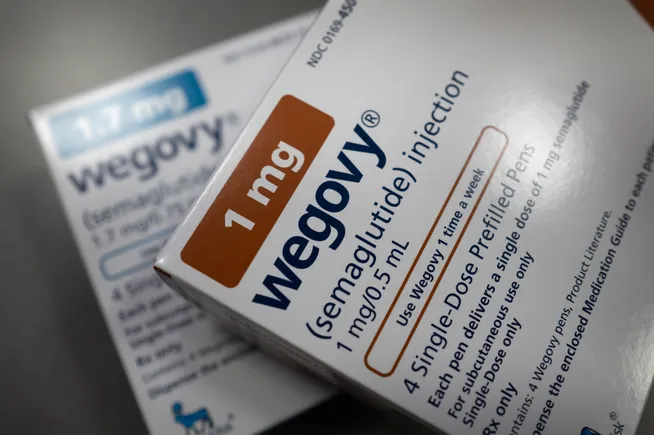
The Biden administration on Tuesday proposed a rule that would allow Medicare and Medicaid to cover weight loss drugs for patients with obesity.
The rule — if kept by the incoming Trump administration — would dramatically expand access to drugs like Wegovy and Zepbound that have proven powerfully effective in helping people lose weight. But such an expansion would come at a price tag of roughly $40 billion over a decade for federal and state governments.
Currently, Medicare is barred by statute from covering drugs for weight loss, while only a handful of state Medicaid programs pay for the medications. But “people with obesity deserve to have affordable access to medication and support,” Chiquita Brooks-LaSure, administrator of the Centers for Medicare and Medicaid Services, said on a call with reporters Tuesday.
More than 40% of Americans are obese, according to the Centers for Disease Control and Prevention. That percentage is expected to reach 50% by 2030. Obesity can cause or worsen other significant medical conditions, including heart disease, diabetes, strokes and some cancers, and for many people is doggedly resistant to diet and exercise.
Over the past few years, medications known as GLP-1 agonists have gained widespread use for their effectiveness treating obesity. People can lose as much as 15% to 25% of their body weight while on the drugs, which work by imitating gut hormones. Research also indicates that GLP-1s can lower the risk of heart complications, and help improve chronic conditions like sleep apnea.
Yet despite soaring demand, cost has proved a significant barrier to GLP-1 adoption for many Americans. Annual list prices for Wegovy and Zepbound exceed $10,000, although both Novo and Lilly having savings programs that lower the cost for some individuals. (A self-pay program by Lilly, for instance, offers a single-dose vial version of Zepbound for about half the list cost of the auto-injector form.)
The price tag has put off many employers and payers from coverage — fewer than 1 in 5 employer-sponsored plans included GLP-1s this year, according to health policy research firm KFF.
Access to the newest anti-obesity drugs has also been patchwork for the 72 million Americans in Medicaid. Currently, only 13 states cover GLP-1s for weight loss, according to KFF.
And many millions of Americans on Medicare have had no access to weight loss drugs, due to legislation passed two decades ago preventing the program from covering such medications. CMS did allow some coverage earlier this year, clearing reimbursement of Novo Nordisk’s Wegovy for Medicare enrollees who are obese or overweight and have heart disease.
Now, regulators are aiming to get around statutory restrictions entirely by revising CMS’ interpretation of the law to recognize obesity as a chronic disease instead of a weight management issue.
The changing medical consensus around obesity drove the new interpretation, CMS officials said Tuesday.
“This is not about weight loss per se. This is about treatment of a chronic condition,” Meena Seshamani, the director of Medicare, said on the Tuesday call with reporters.
The new rule would expand access to the drugs to an estimated 3.4 million people on Medicare and 4 million people in Medicaid, according to a White House press release.
It would do so by allowing people with a body mass index of 30 or higher to qualify for Medicare coverage of weight loss drugs. The expanded coverage would not apply to people who are considered more mildly overweight.
The proposal also reinterprets the Medicaid statute, so anti-obesity drugs can no longer be excluded from the safety-net program.
The move is likely to be popular — especially since CMS doesn’t expect the expanded coverage to increase premiums or out-of-pocket costs, thanks to consumer protection provisions in the Inflation Reduction Act passed in 2022, according to Seshamani.
Some Medicare enrollees currently on GLP-1s could see their out-of-pocket costs fall by as much as 95%, officials said.
However, the expanded coverage would prove expensive for taxpayers overall. The federal government expects to spend about $25 billion on weight loss drugs in Medicare over 10 years, a figure that could exacerbate existing financial stress on the program.
That sum doesn’t include the impact of any savings from patients’ improved health, though the Congressional Budget Office has estimated savings from GLP-1 coverage will be small, in the ballpark of $50 million to $1 billion each year.
As for Medicaid, the federal government expects to spend $11 billion over ten years, while states will pick up an additional $3.8 billion, according to Medicaid director Dan Tsai.
It’s uncertain how states will respond to the proposal, given Medicaid is already often the No. 1 or No. 2 line item on state budgets.
Among states that don’t currently cover obesity drugs, only half say they’re considering adding coverage, with many citing cost as a key barrier, according to a KFF survey published earlier this month.
Tsai acknowledged states face “substantial” budget pressure, which is why the federal government plans to contribute heavily to price tag of weight loss drugs. Regulators have also invited states to comment on the proposal, including on the timing of implementation, Tsai said.
Some questions remain, including whether the coverage expansion will include only brand-name medications or compounded versions of the drugs, which pharmaceutical manufacturers have opposed; and how the government will deal with ballooning demand for weight loss drugs amid ongoing shortages.
Still, regulators throwing open the doors for doctors to prescribe GLP-1s to Medicare and Medicaid patients would be a boon for drugmakers like Novo Nordisk, which sells Wegovy, and Eli Lilly, which sells Zepbound. Shares of both companies rose Tuesday morning following the news.
If finalized, the rule would also benefit chronic care management companies and telehealth players that have built businesses on expanded access to the drugs, including Hims & Hers, Ro and Omada.
It would have a more complex impact on payers, which generally follow Medicare’s lead in coverage determinations so could feel pressured to include GLP-1s in their plans despite cost concerns. Companies offering Medicare Part D drug plans, including UnitedHealth, CVS and Humana, would be the most directly impacted.
However, all this depends on whether the incoming Trump administration decides to let the rule go into effect. Due to regulatory notice-and-comment periods, the CMS won’t be able to finalize the rule before President Joe Biden leaves office in January.
Trump’s picks to lead the Health and Human Services department and CMS have taken differing views on GLP-1s.
Robert F. Kennedy Jr., who Trump plans to nominate for HHS secretary, has been critical of the weight loss drugs, arguing in the media that a cheaper way to address obesity would be expanding the availability of healthy food. However, television personality and physician Mehmet Oz, who Trump plans to nominate for CMS administrator, has expressed support for GLP-1s on his talk show and on social media.
Overturning Medicare’s ban on covering weight loss drugs has drawn bipartisan support in Washington, but legislation making the change hasn’t advanced far in Congress.