
Are there any special assembly techniques for flexible PCB boards?
3 min readspecial assembly techniques for flexible PCB boards
Assembly of flexible PCBs (Printed Circuit Boards) requires special techniques and considerations due to their bendable and flexible nature. While some assembly techniques may be similar to those used for rigid PCBs, there are distinct differences that must be addressed to ensure the reliability and performance of flexible PCB assemblies.
One of the key considerations in flexible pcb board assembly is component placement. Components must be positioned and oriented in a way that minimizes stress on the flexible substrate during bending and flexing. Careful attention must be paid to the location of components, particularly those with rigid bodies or sharp edges, to prevent them from causing damage or delamination of the substrate. Additionally, components should be placed away from areas of high mechanical stress, such as bend points and connectors, to avoid weakening the flexible PCB.
Adhesives play a critical role in the assembly of flexible PCBs, as they are used to bond components to the substrate and provide mechanical stability. Specialized adhesives are required to ensure proper adhesion without compromising the flexibility of the PCB. These adhesives should be compatible with the materials used in the flexible PCB, provide strong bonding strength, and maintain flexibility over a wide range of temperatures and environmental conditions. Additionally, adhesives should be applied in controlled amounts to prevent excess material from interfering with the flexibility of the PCB.
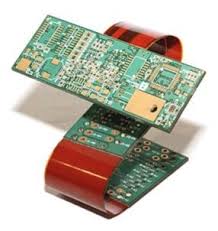
Are there any special assembly techniques for flexible PCB boards?
Soldering is a common method used to attach components to flexible PCBs, but special techniques are required to accommodate the flexible nature of the substrate. Surface mount components (SMDs) are typically soldered using reflow soldering techniques, where solder paste is applied to the pads on the PCB, components are placed, and the assembly is heated to melt the solder and create a strong bond. Through-hole components may be soldered using wave soldering or hand soldering techniques, depending on the specific requirements of the assembly.
During the soldering process, controlled heating and cooling are essential to prevent damage to the flexible PCB. Excessive heat can cause the substrate to deform or delaminate, leading to reliability issues and performance degradation. Specialized reflow ovens with adjustable heating profiles are used to ensure that the temperature of the PCB is carefully controlled throughout the soldering process. Rapid cooling techniques may also be employed to prevent overheating and minimize thermal stress on the flexible substrate.
Flex testing is an important quality control measure used to verify the reliability and performance of flexible PCB assemblies. In flex testing, the PCB is subjected to repeated bending and flexing cycles to simulate real-world usage conditions. This testing helps identify any weak points or areas of potential failure in the assembly, allowing for adjustments to be made before the PCB is deployed in the field. Flex testing may be performed manually or using specialized equipment designed to simulate the mechanical stresses encountered during operation.
Flexible PCB assemblies may be exposed to a variety of environmental conditions during operation, including moisture, dust, and temperature extremes. To protect the assembly from these factors, specialized coatings and encapsulants may be applied to the PCB. These materials provide a barrier against moisture and contaminants, as well as mechanical protection against shock and vibration. The selection of coatings and encapsulants depends on the specific requirements of the application and the environmental conditions to which the assembly will be exposed.
In conclusion, assembly of flexible PCBs requires special techniques and considerations to ensure the reliability and performance of the finished assembly. From component placement to soldering techniques to environmental protection, every step of the assembly process must be carefully executed to accommodate the unique properties of flexible PCBs. By leveraging specialized materials and techniques, manufacturers can produce flexible PCB assemblies that offer superior performance and durability in a wide range of applications.
