
What are the environmental considerations for circuit boards?
3 min readenvironmental considerations for circuit boards
As technology advances, circuit boards have become essential components in a wide array of electronic devices, from smartphones to computers. However, the production and disposal of these boards pose significant environmental challenges. Addressing these concerns is crucial to promoting sustainability within the electronics industry.
The environmental impact of circuit boards begins with the materials used in their manufacture. Circuit boards are primarily made from a combination of copper, glass fibers, and epoxy resins. The extraction of raw materials, particularly metals like copper, can lead to substantial environmental degradation. Mining activities often result in habitat destruction, soil erosion, and water pollution due to the runoff of harmful chemicals. As the demand for electronics continues to rise, the pressure on these natural resources increases, making sustainable sourcing of materials essential. Manufacturers are exploring alternatives, such as bio-based resins and recycled metals, to mitigate these impacts.
The manufacturing processes for circuit board also present environmental challenges. These processes typically involve the use of toxic chemicals for etching and cleaning, which can pose health risks to workers and nearby communities if not handled properly. Furthermore, wastewater generated during manufacturing can contaminate local water sources if not adequately treated. To address these issues, many companies are adopting greener production practices, such as implementing closed-loop systems that minimize waste and recycling water in their processes. The use of lead-free solder and halogen-free materials is also becoming more common to reduce toxic emissions and waste.
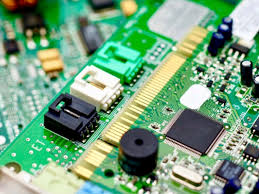
What are the environmental considerations for circuit boards?
Energy consumption during the production of circuit boards is another critical environmental consideration. The manufacturing processes require significant energy, contributing to greenhouse gas emissions. As the industry moves towards cleaner energy sources, such as solar or wind power, manufacturers can help reduce their carbon footprint. Implementing energy-efficient technologies and optimizing production processes are vital steps toward minimizing energy use and environmental impact.
The disposal of circuit boards at the end of their life cycle is a significant environmental concern. Electronic waste (e-waste) is one of the fastest-growing waste streams globally, and circuit boards contain hazardous substances like lead, mercury, and cadmium. Improper disposal of e-waste can lead to soil and water contamination, posing risks to human health and the environment. To combat this issue, effective e-waste recycling programs are essential. These programs can recover valuable materials from circuit boards while safely managing hazardous components. Encouraging consumers to recycle their old electronics can significantly reduce the environmental impact of discarded circuit boards.
Regulatory frameworks, such as the Restriction of Hazardous Substances (RoHS) and the Waste Electrical and Electronic Equipment (WEEE) directives, play a crucial role in addressing environmental considerations related to circuit boards. These regulations aim to limit the use of hazardous substances and promote proper recycling and disposal of electronic waste. Compliance with these regulations not only helps protect the environment but also enhances a company’s reputation and marketability.
Many manufacturers are also adopting sustainability initiatives, such as life cycle assessments, to evaluate and improve the environmental performance of their products. By identifying areas for improvement, companies can implement strategies that reduce waste, lower energy consumption, and promote the use of sustainable materials.
